If you run a lab, a food center, a steel store, or a semiconductor cleanroom, you've most likely had the same argument a loads times: exactly how usually should we clean or replace PPE gloves? The individual who has security wants a fresh pair as soon as there's any type of question. The person who owns the budget plan intends to stretch each pair as far as the threat assessment permits. The solution is not a slogan. It's a choice rooted in contamination pathways, glove materials, dirt types, cleaning methods, regulatory context, and the genuine economics of downtime and waste. Get it appropriate and you lower injuries, protect against cross‑contamination, and reduced overall cost. Get it wrong and you pay two times, once in occurrence danger, again in inefficiency.
What adheres to originates from years of walking facilities and auditing PPE programs, from bottling lines and plating stores to pharmaceutical suites. The variables adjustment, yet the core reasoning holds: specify your soils and threats, pick a cleaning approach that matches them, set a regularity that fits the forecasted loading and risk tolerance, then see the information and change. Recycling and a circular economic situation design can aid, but just if you protect the health edge.
The actual job gloves do
Gloves do 3 things at once. They shield hands, they shield the item or procedure from the driver, and they endure the job long enough to issue. A nitrile handwear cover that maintains oil off hands but transfers bioburden onto a clinical device has stopped working at its sideline. A cut‑resistant https://www.librami.com/ weaved that endures a week however brings metal fines into a delicate assembly has actually stopped working the procedure. Cleansing frequency sits at the joint of these tasks. Clean also hardly ever and you lug pollutants ahead. Tidy too often and you spend labor and reduce handwear cover life for little safety gain.
When I investigate a line, I look initially at the dirts that arrive at gloves: oils, coolants, materials, flux, particulates, organic material, or merely dirt. Then I watch the movements. Do operators touch both raw and ended up material? Do they relocate from an unclean area to a clean area without a glove adjustment? Those activities inform me where cross‑contamination prevention will certainly either succeed or drop apart.
Decisions that actually change the frequency
Your cleansing routine should respond to 5 practical forces: dirt load, danger seriousness, handwear cover material, cleansing approach, and traceability requirements. Each one can relocate your regularity up or down.
- Soil tons and type. Light dust on a layered weaved may be simple to get rid of with a completely dry clean between tasks and a regular launder. Hefty oil oils or epoxy residues saturate fibers and can carry residuals even after washing, which pushes you towards more regular cleaning or earlier retirement. Hazard extent. Where a glove interfaces with bloodborne pathogens or cytotoxic drugs, the majority of organizations skip cleansing totally and treat gloves as single‑use PPE, duration. In food call zones that are ready‑to‑eat, any kind of noticeable dirt or shift between raw and RTE need to cause an adjustment, not a cleaning cycle. Alternatively, in general assembly with low biohazard, cleansing and reuse can be both secure and economical. Glove product. Nitrile and latex disposables are not developed for repeated washing, with the exemption of specialized multiple-use chemical‑resistant handwear covers. Knit cut‑resistant handwear covers with PU or nitrile covering endure laundering, generally approximately 5 to 12 cycles before cut efficiency declines. Butyl, neoprene, and PVC chemical gloves can be sanitized on a defined routine if the chemical compatibility supports it. Cleaning technique. A wipe‑down with the ideal solvent might eliminate surface area oils on a chemical glove without weakening it, enabling even more use hours in between complete laundries. Industrial laundering can restore coated knits efficiently if water temperature level, pH, and detergent option match the dirts. Cryogenic or CO2 blasting has particular niche usages for stubborn residues, though it's uncommon at scale. Traceability and quality assurance. In regulated atmospheres, you might need documented great deals and validated bioburden limits. That usually causes defined maximum cleaning cycles per handwear cover and necessary retirement at the end of the confirmed life, even if the glove looks serviceable.
Taken with each other, these identify whether you clean daily, weekly, by shift, or by task. A toolroom that handles oily steel spaces can wash coated knits every 3 to 5 shifts. A microelectronics lab with anti‑static nitrile disposables must use single‑use turnings linked to work cells and change on access to each managed area. A pharmaceutical packaging line could systematize on single‑use in product call areas but clean and reuse much heavier chemical handwear covers used just for cleanliness chemicals.
The safety border: what not to clean
Some gloves ought to not be cleaned for reuse, either due to the fact that the danger is too expensive or the handwear cover won't make it through with its safety homes undamaged. This is where security must outdo ROI.
- Single usage clinical or laboratory nitrile used with biological products. If there is any possibility of microorganism carryover, dispose after usage. Cleaning would create a false feeling of security. Food manufacturing gloves in direct RTE get in touch with. If the handwear cover touches product post‑kill step, treat as single‑use within that change sector or per task. There are exemptions with committed wash‑down procedures in some dairy and bakery setups, but they require recorded sanitizer focus, call times, and drying. Gloves endangered by punctures, delamination, or inflamed polymer. Some chemicals diffuse into polymers and embrittle them. Even if the surface area looks clean, the handwear cover has actually lost stability. Retire it. Situations with incompatible chemicals. If the dirt needs a solvent that degrades the glove, cleansing is off the table. As an example, solid oxidizers can weaken all-natural rubber; fragrant solvents can swell certain nitrile blends.
Those lines maintain programs honest. They also keep incident rates down.
Where cleaning shines and how often to do it
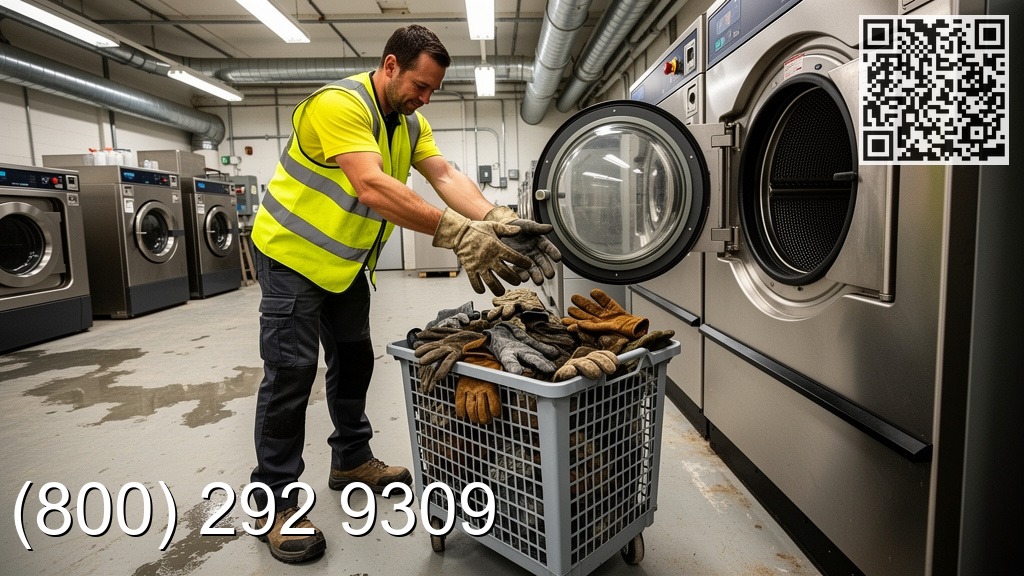
Cleaning works best for robust, recyclable gloves that encounter mechanical dirts instead of biohazards. Believe cut‑resistant knits, coated mechanics gloves, hefty chemical gauntlets made use of for handling drums, and heat‑resistant gloves in shops. Regularity then becomes a feature of dirt lots, aesthetic standards, and the price of work stoppage.
In machining cells, gently fueled oil coated knits hold up to 8 to 10 hours of usage before grip deteriorates. Washing two times a week usually strikes the wonderful spot, with wipe‑downs using a suitable citrus or alkaline cleaner in between if needed. In battery manufacturing, carbon black can install in fibers and shed. Daily or every‑other‑shift cleansing prevails to prevent cross‑contamination in between work cells and to maintain airborne particulate counts in check.
Chemical handling is much more delicate. For instance, a neoprene glove made use of for intermittent acid handling can be rinsed and neutralized at the end of each usage, with a regular deeper tidy making use of light detergent, adhered to by assessment for swelling or tackiness. The examination step is not busywork; small modifications in structure tell you the polymer is derogatory, also if the handwear cover looks fine under area light.
In electric setting up with ESD‑safe handwear covers, laundering can decrease surface resistivity if you use the wrong cleaning agent. Limitation washes to the validated matter from the maker, often in the 5 to 15 cycle range, and evaluate an example from each great deal with a resistivity meter after cleaning.
Cross contamination avoidance defeats any cleaning schedule
The fastest method to cut handwear cover cleansing regularity without risking security is to stop gloves from satisfying the wrong surface areas to begin with. Basic zoning and practices protect against half the troubles individuals attempt to deal with later with even more washing.
Set physical or procedural obstacles in between dirty and clean jobs. If a driver relocates from receiving raw parts to assembling calibrated components, that action ought to cause a glove modification or a swap to a tidy set organized at the border. Color coding handwear covers by area aids, however it just functions if supervisors really apply it. Keep consumables and packaging off workbenches where oily handwear covers remainder. And train people to stay clear of touching their face, phones, and shared controls while wearing work handwear covers. The most effective cross‑contamination prevention is usually a meter of distance and the discipline to transform prior to crossing it.
Dollars, minutes, and the ROI of cleaning vs replace
When groups suggest concerning cleansing regularity, they rarely bring numbers. That's why I such as to build a quick ROI calculator the first week on site. You can do it in a spread sheet in under ten minutes if you track the ideal inputs: glove cost per pair, ordinary usage hours per set prior to cleaning, cleansing price per cycle, expected extension of life from each cycle, and the expense of a failure or occurrence. Include the concealed elements, like time invested bring replacements and the price of waste disposal.
Here is a simplified structure that helps most teams decide:
- If a layered weaved costs 4 dollars, lasts 16 hours unwashed, and laundering costs 0.80 per pair, yet each wash adds about 12 hours of solution prior to hold or cut efficiency declines, after that two washes extend life to around 40 hours at an overall cost of 5.60. That reduces price per usage hour from 0.25 to 0.14, a 44 percent enhancement. The break‑even sits around the very first clean; the second wash still pays unless issue rates climb up or laundering harms the coating. If a hefty neoprene chemical handwear cover prices 18 bucks and a confirmed rinse and dry takes 5 mins of labor at 20 dollars per hour, you invest about 1.67 in labor per tidy. If that tidy avoids changing the handwear cover for four more shifts, you saved over 3 dollars per change in material costs with marginal risk, thinking no polymer degradation. If a sterilized nitrile glove expenses 0.24 per set and cleaning is not allowed by protocol, the computation finishes before it starts. Revolve sets more frequently to stop cross‑contamination, and concentrate on disposal and recycling streams to decrease environmental impact.
You can transform these into a formal ROI calculator. Some organizations, consisting of firms like Libra PPE Recycling, offer tools that plug in glove costs, cleaning expenses, and reuse rates to model cost savings across a site. Utilize them, yet pressure‑test the assumptions with your own problem and occurrence data. If the calculator says you can wash 10 times but you see cut efficiency drop after six, cap it at 5 and bank the reliability.
Environmental obligation that does not reduce corners
Glove programs now rest under more comprehensive ESG goals. Waste decrease issues, not simply for optics but also for land fill costs and company commitments. A circular economic situation design can fit, though it requires clearness. Two courses dominate: clean and recycle on website, or accumulate and recycle right into other materials at end of life.
On website cleaning decreases acquisition quantity and lowers waste instantly. It calls for water, power, and cleaning agents, which you can optimize. Usage low‑phosphate, low‑VOC detergents matched to soils, and run washing machines at the lowest effective temperature to minimize energy without endangering health. Procedure water use per pair and established targets. Many centers can cut cleaning water use by 20 to 40 percent with better load planning and rinse controls.
Recycling follows. Mixed‑material gloves are difficult to reuse, however streams exist. Organizations like Libra PPE Recycling accumulated handwear covers by product and condition, then path them to processes that transform them right into composite lumber, floor coverings, or power recovery feedstock. The business economics improve when you bale on website and minimize transport quantity. Simply be honest concerning what truly gets recycled versus down‑cycled or made use of for power healing; both count in different ways against sustainability targets. When individuals see a tidy, reputable stream, they deal with glove disposal points effectively, which in turn protects against contamination of recyclable waste.
Choosing cleansing methods that match your soils
I have actually made errors choosing cleansing chemistry that erased cost savings with glove failures. Four lessons recur.
Start with a soil analysis. Run a fast bench examination: consider a handwear cover prior to and after a substitute job to estimate soil pickup, after that trial cleaning agents on cut examples to see just how quickly soils launch and whether the product swells or loses finishing. 5 grams of oil removal sounds insignificant till you multiply it by 500 sets per week and see effluent lots boost. That is when you call your wastewater manager and line up dosing.
Control temperature level and pH. Coated knits with polyurethane suffer at high temperatures and strong alkalinity. You can protect finish life by cutting wash temperatures from 70 C to 50 C and using a neutral pH detergent created for industrial fabrics. You could require a much longer cycle or chemical ingredients for protein dirts in food plants, however examination for fiber damage.
Dry carefully and extensively. High warm deteriorates elastomers. Forced‑air drying at modest temperatures keeps performance. Dampness caught in the handwear cover encourages microbial growth, which defeats the sanitation objective. Constantly evaluate for residual moisture, particularly at the seams and in multi‑layer gloves.
Validate disinfection where required. If you need a log reduction in microbial matters, you have to verify it. ATP swabs on handwear cover surfaces after cleaning can work as a sensible proxy in non‑sterile contexts. In pharma or high‑care food, work with mini labs to inoculate test gloves and confirm your process. Record sanitizer concentrations and get in touch with times.
Inspection defeats guesswork
No cleaning program works without evaluation. A fast eye the fingertips and palm informs you more than a spread sheet. Search for sheen loss on covered knits, pilling, revealed fibers, and little cuts at the thumb crotch. For chemical gloves, stretch the product carefully and watch for fine splits and bleaching, indicators of tension. Check for stiffness or tackiness. Keep a throw out guideline that individuals keep in mind: when unsure, throw it out.
Make inspection component of the handoff. If you make use of central cleansing, return gloves to drivers in clear bags with an easy tag that shows the number of cleansing cycles completed. Printing dots on the cuff functions, but tags offer room for a day and great deal code, which assists with traceability if something fails.
Set frequencies by area, not by brand
The greatest jump in glove programs comes when you abandon one schedule for an entire plant. Rather, established frequencies by area and danger. In one automobile plant we split right into 5 areas. Heavy construction ran covered knits with twice‑weekly laundering. Accuracy setting up ran ESD handwear covers cleaned every 3 days with an optimum of 8 cycles. Repaint pre‑treatment utilized chemical onslaughts rinsed after every use and replaced month-to-month or initially sign of swelling. Storehouse made use of standard technicians gloves laundered regular. Lunchroom and RTE preparation used single‑use nitrile with changes on task change and on a 30‑minute timer during peak periods. Issues dropped, invest stopped by 18 percent, and audit findings went from unpleasant to rare.
You may find your own splits. The factor is to match frequency to the actual job occurring in each space.
Training individuals to make the appropriate call
Written methods do not alter behaviors by themselves. I've had the best outcomes with brief, responsive training. Place three sets on a table: one new, one cleansed two times, one cleaned up eight times. Have drivers manage them and choose which they would certainly use and why. People trust their fingertips more than they rely on a poster. Add a mini lesson: what occurs if you touch this surface keeping that glove, and what does the microscope say later on? Link handwear cover options to actual defects or microbial plates from your center, not supply photos.
Then make it very easy to comply. Location glove change stations at the right chokepoints. Make disposal and recycling containers apparent and accessible. If you use Libra PPE Recycling or a comparable program, clarify what takes place next so individuals comprehend they aren't simply throwing out. Visibility sustains participation.
Data you ought to collect, and what to ignore
You can drown in glove information. Concentrate on the metrics that drive much better decisions.
- Pairs issued per operator weekly by zone. Readjust for seasonality, because heat modifications substitute behavior. Average cleaning cycles per pair by glove type, plus failure price post‑cleaning. If a glove falls short within two changes of a clean, your method or frequency needs review. Defect or contamination occurrences tied to handwear cover usage. Track where and when, not simply exactly how many. Water, power, and detergent make use of per cleansed pair. Standard and improve. Recycling capture price by location and contamination price in the stream. Blended waste costs cash. Clean streams pay.
Ignore vanity metrics. A chart that states "we cleansed 10,000 sets this month" tells you nothing without context. Spike investigations matter more than averages.
When to transform your frequency
Even a great program must progress. Change your cleaning regularity when among three points changes: your dirts, your handwear cover, or your danger tolerance.
New coolant? View exactly how it lots the handwear cover and whether it rinses or smears. New handwear cover brand name? Validate cleaning cycles again; polymer blends differ more than advertising recommends. New consumer need or audit finding? Tighten your cross‑contamination manages first, after that review cleaning.
One electronics plant switched to a different anti‑static handwear cover and saw a breakout of micro scratches on housings. The culprit wasn't the glove at all; it was residue from a brand-new cleaning agent that left a pale movie. They reduced the detergent concentration by a 3rd, added a longer rinse, and tied cleaning to every various other change instead of daily. Scrapes vanished, and they conserved time.
How recycling fits without running the program
Recycling is the last step, not the entire program. It needs to be very easy for operators to do best and hard to ruin. Partner with a recycler that can manage your details glove mix, and map the stream. If you run a Libra PPE Recycling program, set clear signs for each container: layered knits below, nitrile disposables there, chemical onslaughts in a separate container if contamination risks exist. Audit the stream weekly in the beginning, then monthly. Commemorate tidy lots; remediate dirty ones with targeted coaching by zone.
If your ROI calculator recommends hostile reuse, check that your recycling stream still catches end‑of‑life handwear covers accurately. A smaller stream is fine. A dirtier stream is not.
Bringing it with each other on a live floor
Let's say you manage a mid‑size food product packaging center with three zones: resources handling, chef and cool, and product packaging. Begin by prohibiting cleansing of handwear covers in direct contact with RTE item in packaging. Those ended up being single‑use nitrile with modifications on entry to the area and whenever the operator leaves the line, plus a mid‑shift change in hot weather. In raw material handling, use rough‑finish layered knits with twice‑weekly laundering, with a regulation to alter gloves before relocating into cook and cool. In the chef and amazing area, use chemical gloves for sanitation watered down to spec, rinsed after each use and changed monthly. Establish Libra PPE Recycling bins for covered knits and for nitrile, separate from general waste. Train with plates: swab a glove after an hour in packaging, after that after 3 hours, and reveal the nest distinction. Track sets issued and sets cleansed for 6 weeks. Adjust.
The likely result is fewer near‑miss contamination events, a clear glove budget plan that does not increase without description, and a recycling price that gains you both price financial savings and a defensible sustainability story.
A brief list you can act upon this month
- Map areas and soils, then restricted handwear cover cleansing where biohazards or RTE item are involved. Pick glove kinds that endure the cleaning you intend to do, and validate cycles with little pilot runs. Build a straightforward ROI calculator connected to your glove prices, cleaning expenses, and expected life extension, and rerun it quarterly. Train with your own problem and mini information, not generic slides, and make change terminals impossible to miss. Stand up a recycling stream with clear signs and audits, going for high capture and low contamination.
Glove cleaning frequency is not a thoughtful inquiry. It is a functional equilibrium between safety and security, cost, and ecological duty, changed by zone and proven with information. Treat it as a living decision, not a policy you establish once and fail to remember. The more plainly you draw your safety borders and the even more truthfully you gauge, the simpler it becomes to save cash without borrowing risk from tomorrow.
Libra Industries Inc
1435 N Blackstone St, Jackson, MI 49202
+15177875675
| Place ID | ChIJt_HMH44vPYgRNbiD22DpHYo |
| CID | 9952367353767639093 |
| Business Profile ID | 6301257705288912858 |
7H9Q+2G Jackson, Michigan
| Coordinates | 42.26760060, -84.41112540 |
 Ask ChatGPT
 Ask Grok
 Ask Perplexity
 Ask Claude
 Ask Google AI
 Ask You